The other day, at home, I found happiness in a bunch of bananas. I saw them and immediately felt happy. “Ahh! What beautiful bananas!” I said. They were so yellow, fresh, clean, and looked delicious. My son was watching me. He smiled and said, “Mumma, you get excited about such small things! You express your happiness so easily. So many little things make you happy. That’s very good!”
And he is right. I do get excited about small things. A flower, a beautiful smile, a bird, a kind word, a nice song, something fresh from the market, even a bunch of yellow bananas can make me happy. These little moments bring hope into my heart. They make my mind feel peaceful. But when my son noticed this little quality in me and said it out loud, that made me feel even happier. Sometimes, it feels very special when someone notices the way we are …
I think small things are not always small. A small kind word can become precious to someone. A small gesture can stay in someone’s heart for a long time. Simply noticing someone can make them feel seen. I notice many little things, words, expressions, movements, flowers, sounds, and moments. Perhaps that is why my ordinary days are often filled with little pieces of happiness …
Happiness may not live in one place or one moment. Perhaps it is found in the spaces between letting go of the past, embracing the present, and trusting what tomorrow may bring.
Happiness lives in three places In letting go of what was In releasing yesterday’s shadows And making peace with every loss …
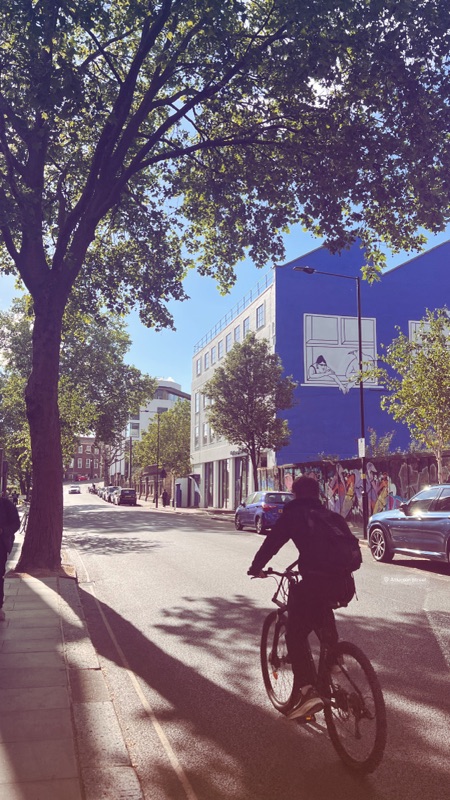
Happiness lives in three places In enjoying what is In noticing the colours around me The streets, the sky, the little joys I might have missed …
Happiness lives in three places In trusting what will be In believing that every uncertain road May still lead me somewhere I am meant to see …
Happiness lives in three places In letting go, living now, and trusting tomorrow … And somewhere between the three I found a little more peace within myself …
#roksanatales
Sukha: a Sanskrit word for happiness, ease, inner peace, and a sense of well-being
.
.
Now, tell me, How’re you? How do you find your peace?
Please don’t gift me another notebook Really. Really
I love them far too much Too much. Too much
Every beautiful cover whispers my name Whisper. Whisper
I tell myself, “This is the last one” Last. Last
Then another one appears with lovely paper Oops. Oops
Now my shelves look like a stationery festival Help. Help
Some are waiting for poems Waiting. Waiting
Some are waiting for sketches Waiting. Waiting
And some are simply waiting for the perfect first page Someday. Someday
So if you love me, give me a hug instead
Enough. Enough
#roksanatales
.
.
.
.
A little confession…
I truly love notebooks. They hold dreams, poems, sketches, random thoughts, secret little notes, and even complete gibberish. There is something magical about a fresh page waiting for a story
The funny part is, I already have more notebooks than I could possibly fill. Yet every time I see another beautiful one, I wonder if I should bring it home too. I honestly have no idea when I’ll ever use them all, but somehow, I still can’t resist …
Do you also collect notebooks faster than you can fill them, or are you someone who finishes one before buying the next?
A story of resilience, hope, and the courage to keep creating. Inspired by life’s seasons, this metaphorical tale reflects the beauty of planting seeds of kindness, trusting that they will bloom in their own time.
There was once a woman who carried a small pouch of seeds wherever she went. People laughed because they never saw her harvest anything. They only saw her kneeling on empty ground, planting another seed
Storms came. Some washed the seeds away. Winters buried them beneath frozen soil. Even those she loved sometimes walked past the fields without noticing her work. Still, she planted
Years passed
The woman no longer counted the seeds she had lost. Instead, she learned to love the act of planting itself
One spring morning, tiny flowers began to appear, not in one place, but in many. Some bloomed beside distant roads she had almost forgotten. Others blossomed in the hearts of strangers who never knew her name
Then she realized something. She had never been growing flowers. She had been growing herself
Like a river carving through stone, she had become stronger without making a sound. And one day, people looked at the garden and called it an overnight success
Only the woman knew that every flower had once been a lonely seed planted through tears
She smiled. Life had become easy. She had become the garden she had been searching for
#roksanatales
.
.
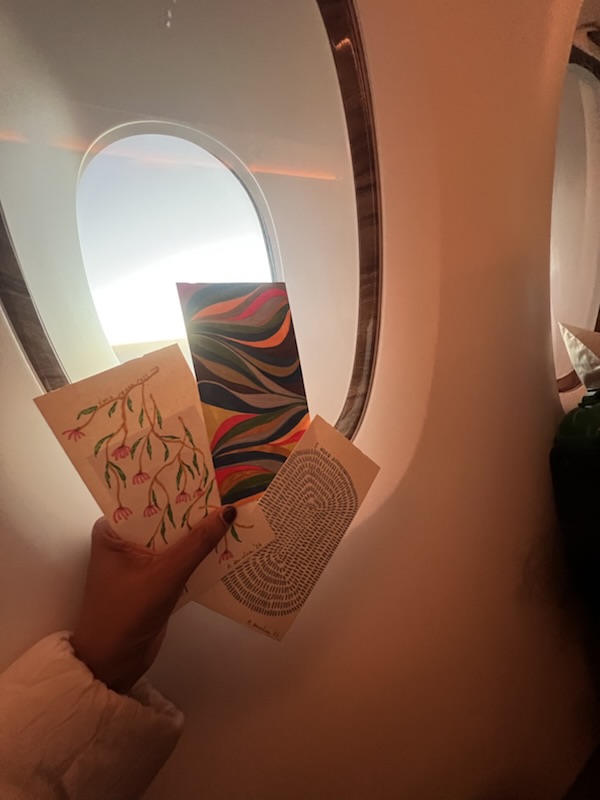
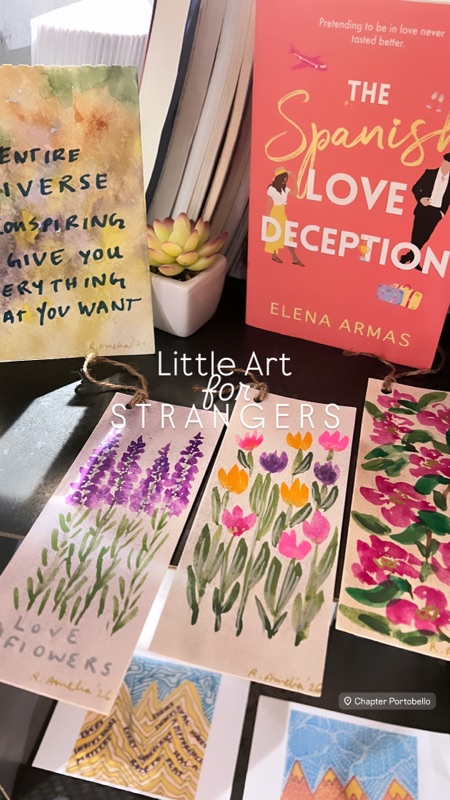
I left these little paintings, each with a few words of wisdom, on the plane, two for my fellow passengers and one for the pilot. If the pilot eventually receives it, it would make me very happy. This was on an Emirates flight as I was returning home from London.I left these handmade watercolor bookmarks in the lounge of the student studio where we stayed in London, with a little note inviting anyone to take one if they wished.
This story is a metaphor for my own journey.
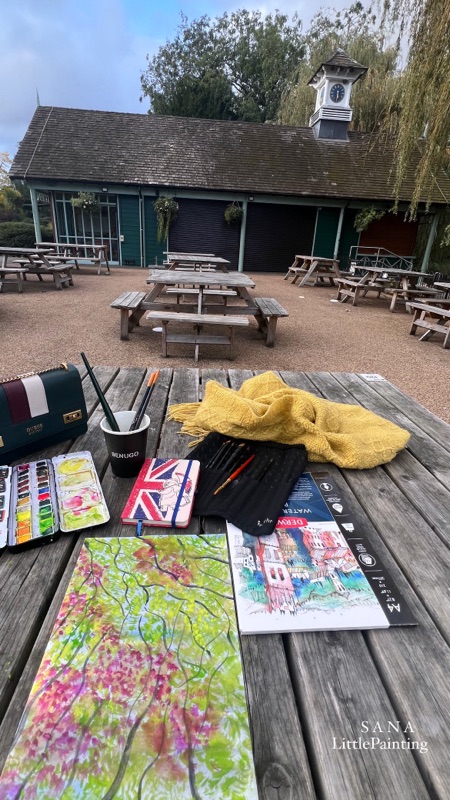
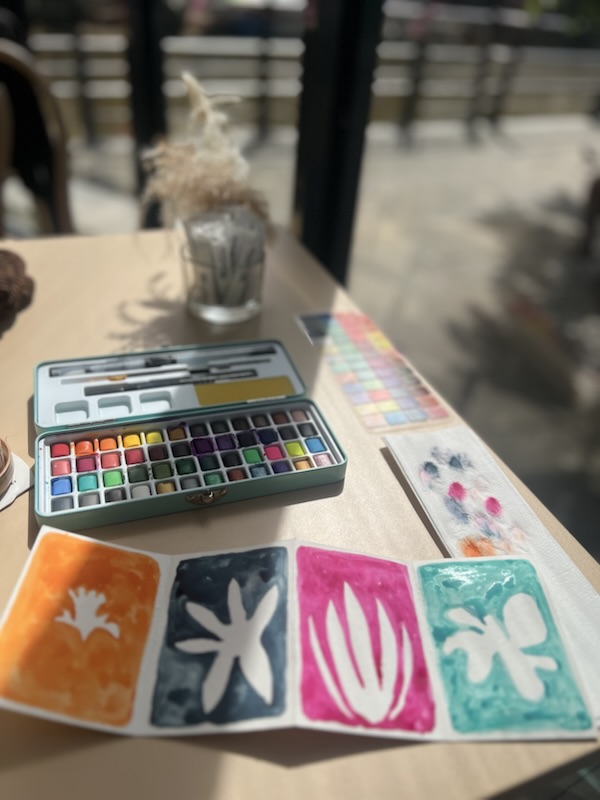
Through Jian Bird Creates, I have chosen to keep creating, no matter where life takes me. I carry my sketchbook when I travel, paint in cafés, parks, museums, airports, trains, and corners of unfamiliar cities, and sometimes leave my little paintings behind for strangers to find
I never know who will notice them, cherish them, or simply walk past them, and that’s perfectly alright
For me, the joy has never been in being seen. It has always been in creating, sharing kindness, and trusting that every small act of beauty finds its way to someone who needs it
One powerful mind-hacking secret for surviving life is:
Don’t Believe Every Thought You Think
Your mind produces thousands of thoughts every day, some helpful, some fearful, some simply untrue. When you learn to pause and ask, “Is this a fact, or just a thought?” you create space between yourself and your worries …
Many difficult moments become more manageable when you stop treating every thought as reality …
A simple reminder: “Thoughts are visitors. I can listen to them without letting them run my life.”
What is it called when someone says, “Move on”, A goodbye, a lesson, or a wound learning its own name?
#roksanatales
Manchester
There is a word I often use when sharing my thoughts, or insights with you: Musings
But what does it really mean?
For me, a musing is not a lesson carved in stone, nor a declaration of certainty. It is a thought paused long enough to be noticed. It is a question that lingers, an observation that refuses to pass without chaos, a feeling seeking its shape through words …
When I write my musings, I am not claiming wisdom. I am simply inviting reflection, or some questions that linger within me for long …
I do not always write to arrive at an answer. Often, I write to sit beside the question.
To me, musings are fragments of understanding gathered along the way, moments when life whispers something subtle, and I feel compelled to listen. They may arise from joy, grief, wonder, disappointment, or the spaces in between. They are not conclusions but companions on the journey of becoming …
When I share these reflections with you, I am opening a window into the landscape of my thoughts. Some musings may resonate deeply; others may simply pass by like clouds. Both are welcome …
Perhaps that is the beauty of a musing: it does not ask us to agree. It asks us to pause, to consider, and maybe to discover a thought of our own hidden within it …
So when you find the word musings here, think of it as an invitation, not to follow my path, but to wander for a moment through the questions, insights, and reflections that life leaves behind …
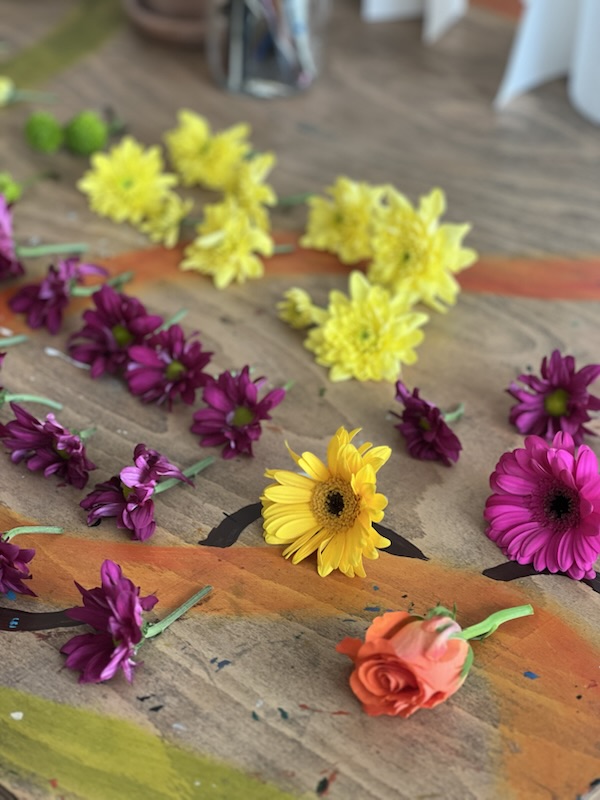
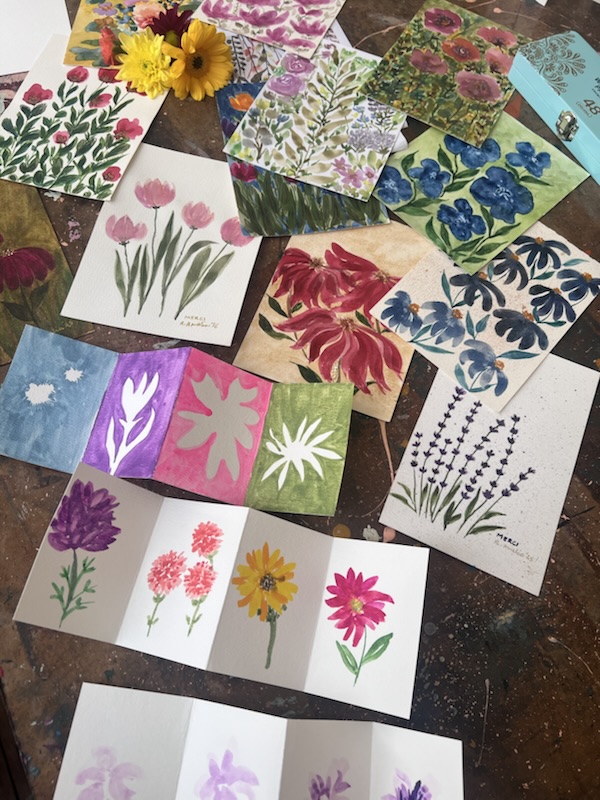
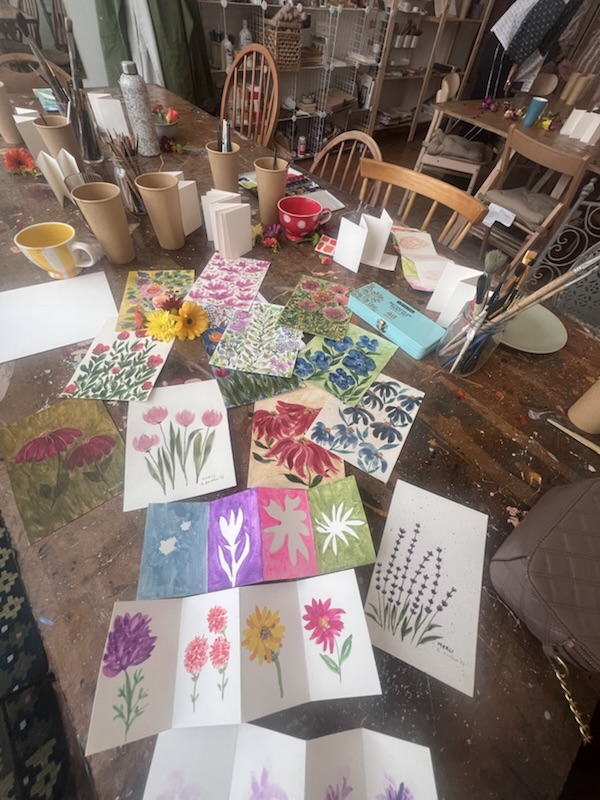
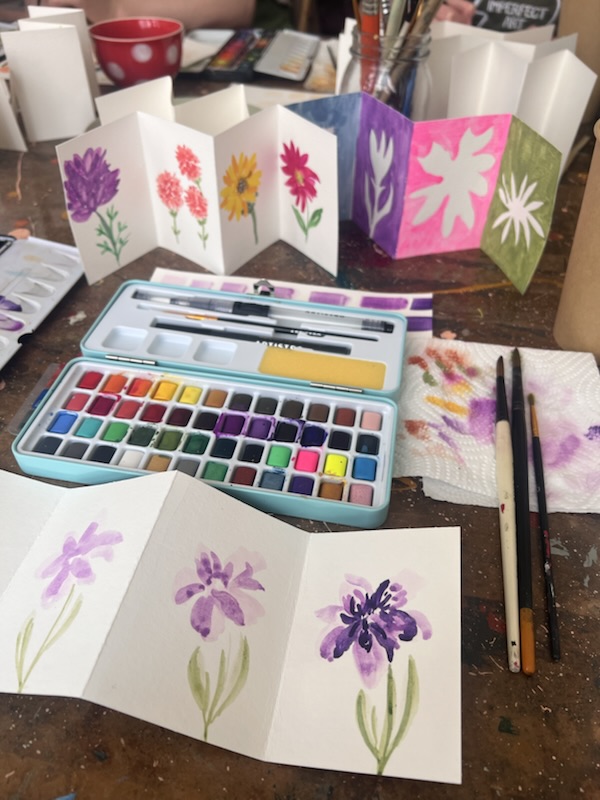
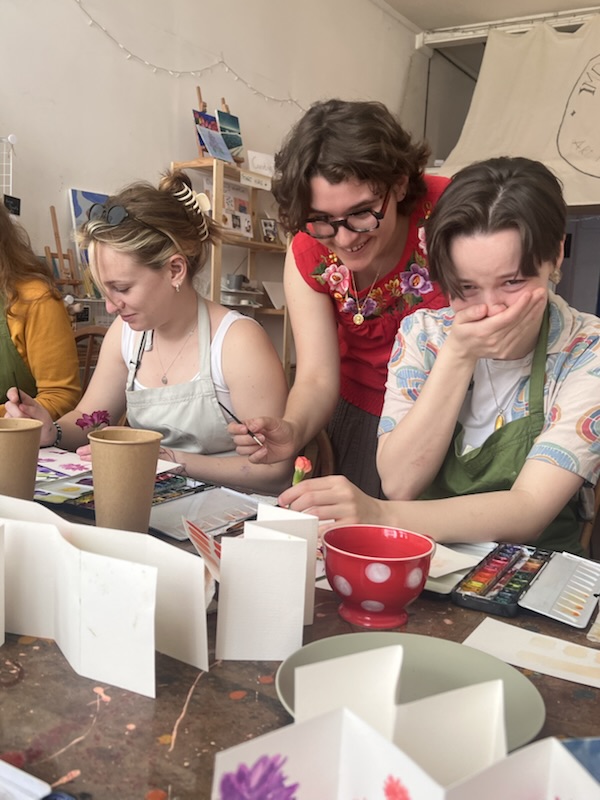
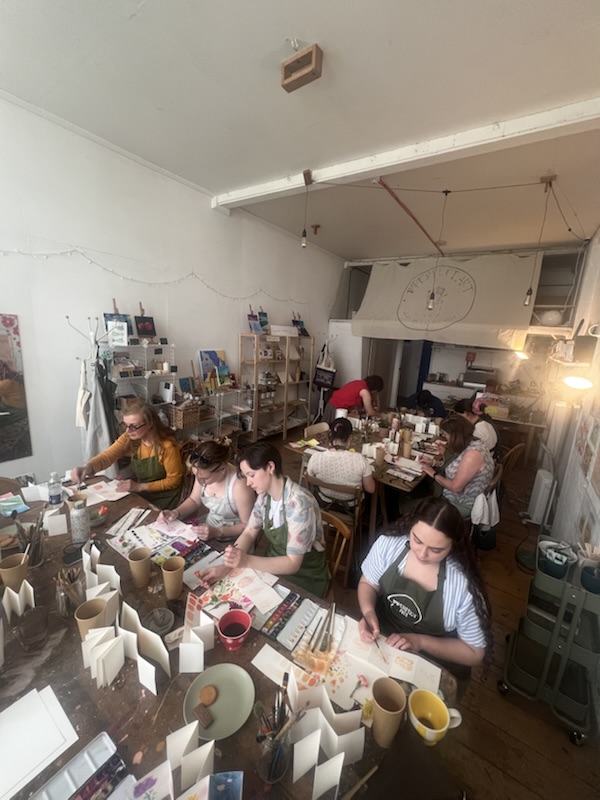
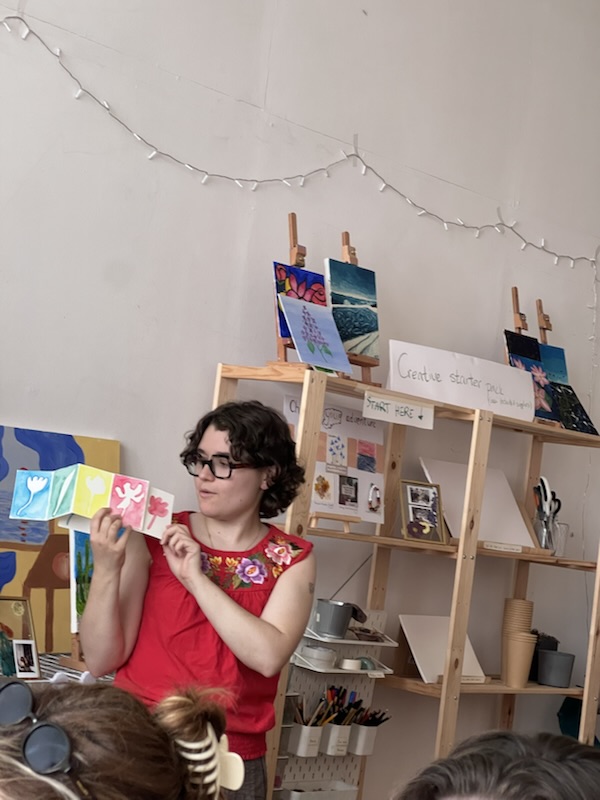
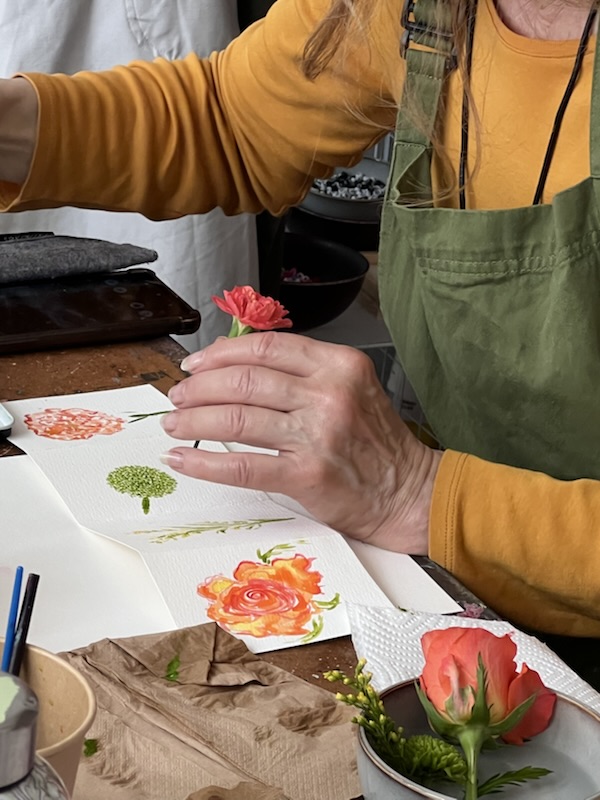
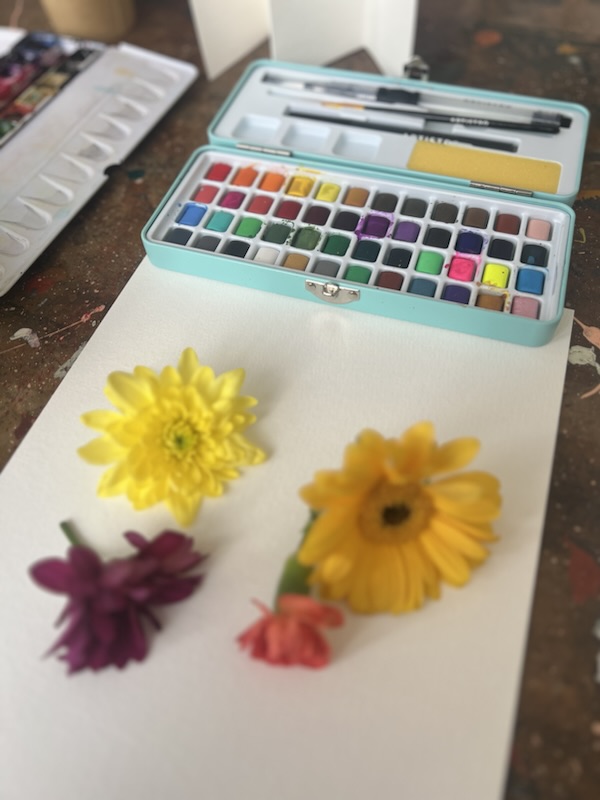
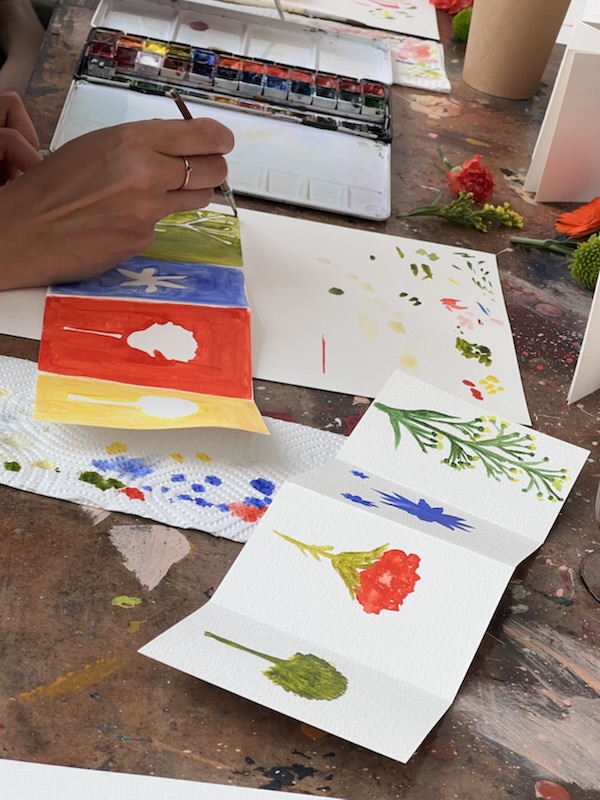
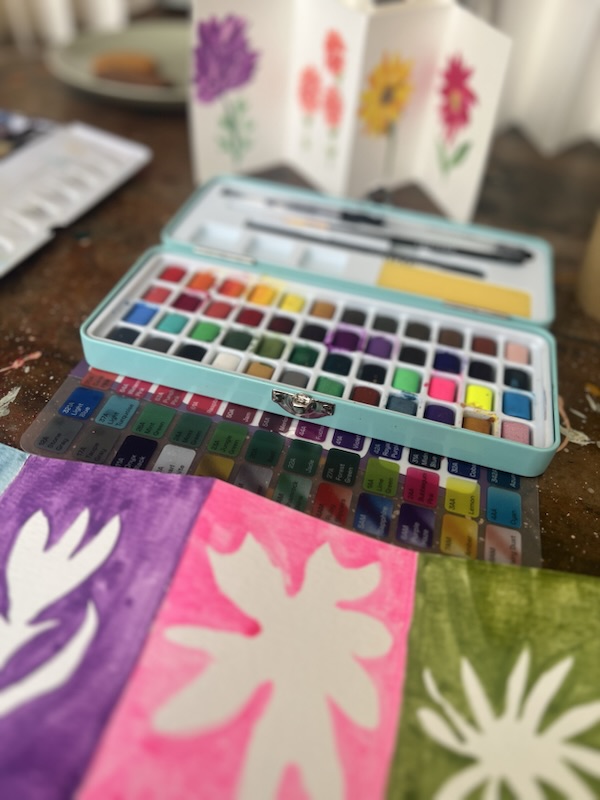
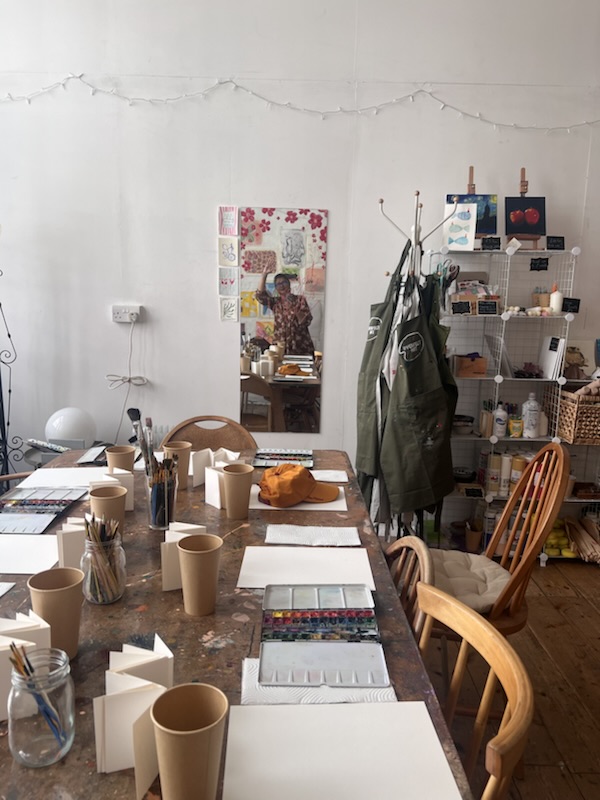
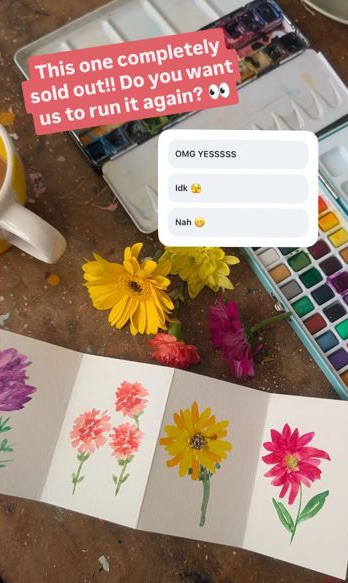
Did a beautiful flower watercolor workshop guided by Ana at Imperfect Art in London, and it truly felt like such a calming and wholesome experience. From choosing our own flowers to observing every tiny detail before painting them, the entire process felt slow, mindful, and deeply creative …
We explored monochromatic tones, layering light to dark values, and learned how small details can completely transform a painting and bring it to life. Ana also shared beautiful insights about the color wheel and color interactions, making the workshop feel both educational and inspiring …
The studio itself had such warm and creative energy, cozy corners, colors everywhere, people creating, laughing, learning, and simply enjoying the process together …
What I also know is how important it is to attend workshops even as a facilitator yourself. There is always something new to learn, not only from the artist guiding the session, but also from observing different perspectives, techniques, conversations, and creative approaches from others in the room. Every workshop becomes a space to gather fresh ideas, inspiration, knowledge, and a renewed connection with creativity itself …
I feel that it is the most beautiful way to grow as an artist and facilitator …
#roksanatales
Now tell me When was the last time you slowed down and created something just for joy?
I love people Who carry kindness calmly, Like a small light in their hands … They do not wait for applause They simply move through the world With softness in their voice And calm in their heart …
I admire those Who naturally have morals and manners Not because someone taught them to perform goodness But because respect lives inside them They greet people warmly Listen without rushing And leave others feeling valued …
I notice people With self awareness and common sense They pause before speaking They understand that words can stay Inside someone for a long time So they choose honesty with care And silence when silence is kinder …
I feel safe around those Who have consideration for others They think beyond themselves They notice tired faces, unspoken feeling, Small discomforts in crowded rooms Their kindness pays attention …
I appreciate people Who move through the world gently Without making it everyone else’s problem They carry their struggles with grace They do not spread hurt everywhere they go Even in difficult moments They try not to wound others …
I respect people Who care without keeping score They give because their heart tells them to Not for praise Not to collect favors Not to remind others later Of everything they once did …
I hold close the people Who don’t make noise about their goodness There is something rare about them No performance, no loud display Just humble decency, day after day The kind of people Who simply are …
#roksanatales
.
.
.
Bonhomie means a warm, friendly, and relaxed kindness in a person’s behaviour. It describes someone who is naturally pleasant, easy to be around, and makes others feel comfortable without trying too hard. The word is derived from the French bonhomme, meaning ‘good-natured fellow’ …
What are 5 everyday things that bring you happiness?
I believe, happiness doesn’t arrive as something grand. It comes in small, almost unnoticed moments …
For me, happiness lives in being at home, my little temple, my sanctuary, where I can sit in stillness, eat slowly, and feel safe within my own space …
It lives in walking, step by step, with music in my ears, letting my thoughts soften and settle somewhere amidst people, places, environments, nature, and the roads …
It lives in creating, picking up a pen or brush, I let myself write or paint without pressure. Words and colors become a place to rest, where emotions flow freely and something within me feels understood …
It lives in simple connections, a conversation, a shared cup of tea or coffee, or even just knowing someone is there, without the need for too many words …
And it lives in faith and reflection, those moments when I pause, pray, or sit with my thoughts, connecting to the higher powers, trying to make sense of life’s uncertainties, and finding just enough strength to keep going
These are my five everyday happinesses. Small, gentle, and steady! They carry me through everything …
Wouldn’t it be nice… To arrive with something Made by hand A page where colors once Listened to your breath … A small painting carrying a piece of your day Not bought, but felt, and gently given …
Wouldn’t it be nice… To gift a folded note, written slowly With words that sat beside Your heart for a while Ink becoming warmth in Someone else’s hands A letter that lingers longer Than any object …
Wouldn’t it be nice… To bring a pressed flower From a walk you loved Held between pages like a Secret of the earth A moment of stillness Wrapped in paper A memory, passed from you to them …
Wouldn’t it be nice… To offer a jar filled with tiny intentions Little lines of hope, of courage, of light So on heavy days, they can open one And find you there, in a sentence …
Wouldn’t it be nice… If our gifts carried pieces of our presence Instead of things that fade Without a story .. A drawing, a word, a fragment of soul Simple, and somehow, enough …
A heartfelt letter from a mother to her daughter, celebrating self-worth, independence, and personal growth, with gentle reminders to protect health, build financial stability, travel, and nurture creativity
My Darling Ma,
You are enough. For yourself. By yourself. Never, ever forget this
From the very beginning of your life, you have carried yourself with grace and strength. As a daughter, as a girl growing into your own light, as an elder sister, a friend, a wife, a daughter-in-law, a colleague, and most importantly, as a human being, you have always tried to do what is right and what is best. That is something no one can take away from you
There will always be people who point out what you could have done better. Let them. Do not react to every voice. Not everyone will understand your journey, your intentions, or your worth. When they cannot see your value, rise higher, vibrate higher, and remain rooted in who you are
Whatever comes into your life, promise me this: Never compromise your health. Never compromise your financial stability.
Take care of your temple — your body. Protect your mind — your peace. Earn your own money — always. Stay physically strong and fiercely independent. Strength is not harshness; it is security, dignity, and freedom
And my princess girl, Noor e Jannat, pray and travel more. Be grateful and see the world. Keep writing your journals and share your wisdom with the world. Keep reading your books. Keep hosting your journal gatherings. Keep creating spaces where hearts can breathe
Live fully. Grow boldly. Stand tall
This is just a little letter your mother wanted to write to you. Remember that you are capable, worthy, and powerful in ways even you may not always see
Some days, I’m more aware of my shortcomings than I allow others, or myself to see. I see where I fall short, where I hesitate, where I choose comfort over courage. I know my flaws. I do not hide them from myself, and I cannot hide them from God.
And yet, when I pray, something honest rises within me.
I come as I am, not polished, not proud. My prayers are not rehearsed performances; they are pure offerings shaped by need, regret, hope, and longing. I pray because despite everything, I still believe in mercy. I still believe in being heard
Perhaps this is what sincerity truly means. It’s not the absence of sin, but the refusal to turn away. I am learning that returning, again and again, is itself a form of faith. Even when I feel undeserving, I show up. Even when my heart is tired, I speak
Thats how always humbly I place my imperfections in God’s hands. Because I believe, no other can handle it like Him. I do not ask to be seen as perfect, only as honest. And for always, that feels like enough
#roksanatales
.
.
.
.
.
Now tell me, Where do you place your imperfections?
I love traveling. It makes me feel that I am still alive, still becoming. Somewhere between who I once was and all that life has gently taught me, I learned to stop asking myself to arrive, and instead, to just keep growing.
I think I have always carried a restlessness within me, a soft pull toward roads that didn’t ask for permission. Even as a child, I wandered in small, unnoticed ways. Not to escape, but to feel something I couldn’t yet name. The world felt wide, and I felt drawn to its corners, the ordinary, the in-between, the slightly unknown. I did not call it courage then. Perhaps it was just curiosity, or a trust in my own steps.
And somewhere along those small wanderings, life left me with moments, some tender, some trembling that stayed.
Some days, childhood returns without warning. I see myself buying a butter bun before school, stopping by the bakery near the gate. The paper was warm in my hands. The bread softer than it looked. My heart light in a way I did not yet know how to name. It was an ordinary joy. It was enough.
I remember sitting between two railway lines, trains rushing past on both sides, the air heavy with fear. I was frozen, breath caught somewhere between sound and silence. I don’t remember how long I sat there. Only that at some point, the noise stopped. Or maybe I stopped hearing it. When I opened my eyes, I ran. As fast as I could. I ran home …
All that time, one thought held me captive: what if the people from the train take me away, and I can never come back home?
Even now, it returns, not as memory, but as feeling. The fear of losing home. The fear of being unmoored. Of not belonging anywhere long enough to rest …
Perhaps that is where my love for travel began. Not as escape, but as a practice of return. From city to city. From prayer to prayer. Carrying my past without announcing it, letting new landscapes make space for old feelings.
I often think of Mahmoud Darwish’s words: “I don’t have enough time to tie my end to my beginning.” Maybe that is why I keep moving. Not to outrun where I come from, but to walk beside it. Trusting that some things do not need to be resolved to be lived with. One day, the tying will happen. Until then, I move forward, gently.
A long long time ago, I believed success had a very clear shape: money, fame, praise, awards, achievements, things that could be named and counted. I thought that was what richness looked like …
However, over time, life has taught me otherwise. Life has a way of humbling you, of stripping away the noise until only what truly matters remains …
Now, when I look around, I realize I haven’t truly chased that kind of wealth. Life unfolds in its beauty all around me. I already possess real wealth, in presence, in love, in moments of belonging, and in the people and connections that make me feel held. These are not things I want to replace or upgrade. These are the things I want to protect, nurture, and let grow …
If anything, this is the kind of wealth I hope multiplies. Not loudly. Not for display. But deeply, steadily, and with meaning.
So yes, in this new year, in 2026, I want to be richer in health, inner strength, knowledge and nourishment, real relationships and self-love, new experiences and hope … and all the blessings life has to offer …
Slow down and come home to yourself, this moment, your life, is already rich with blessings and beauty that no chase can ever outshine …
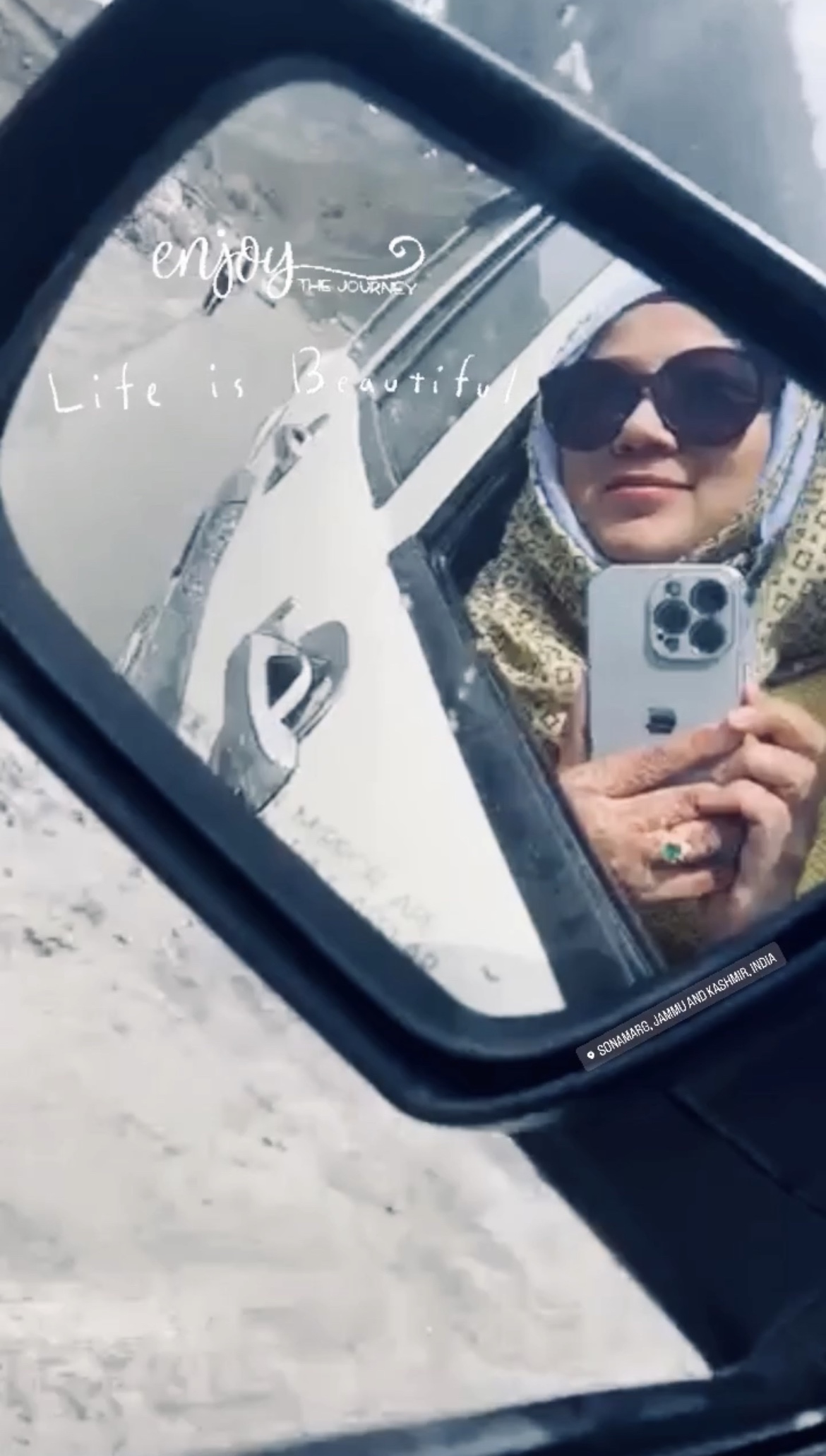
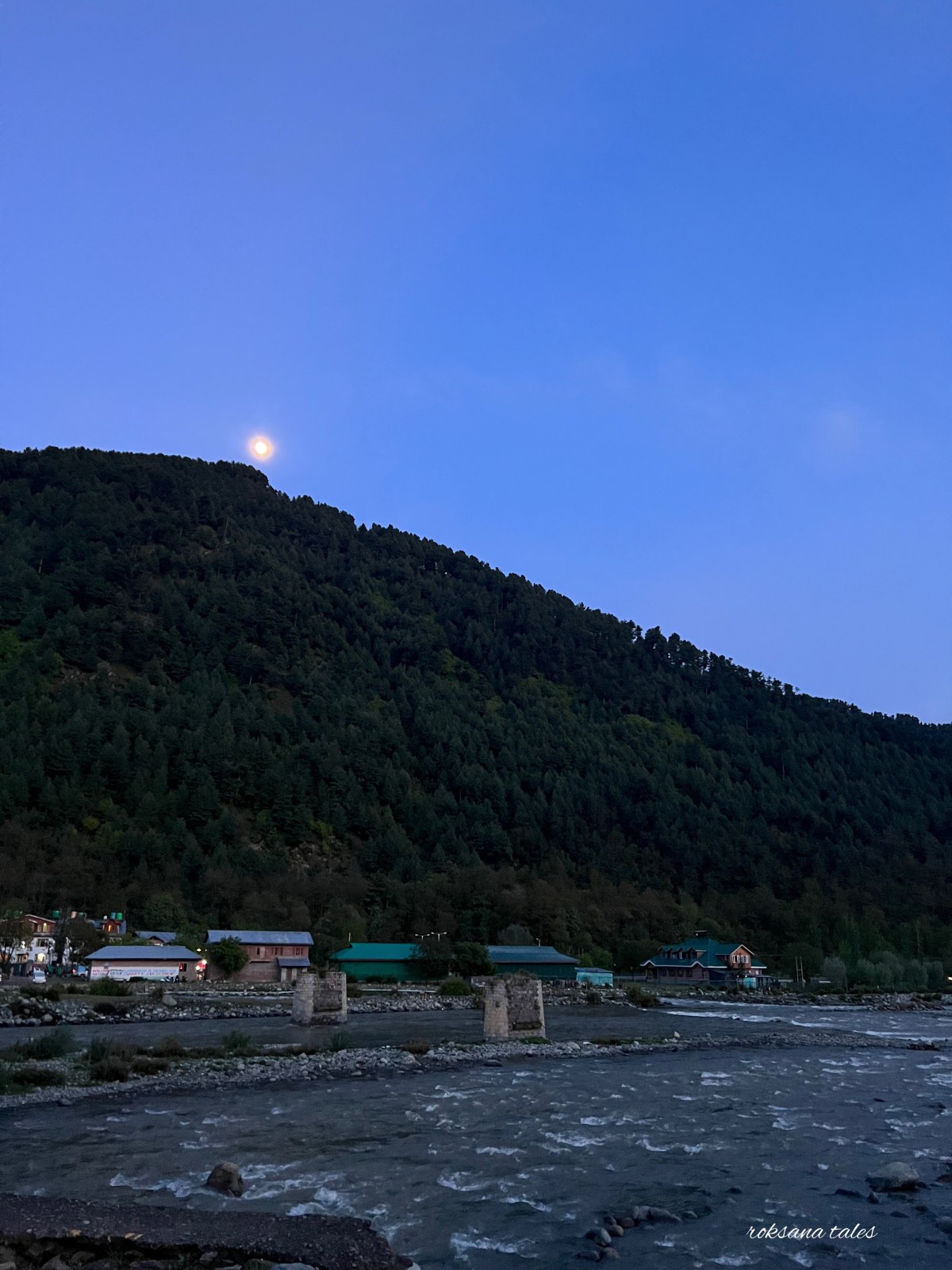
Sonamarg, Kashmir
What kind of wealth do you want to grow in your life this year?
What’s the thing you’re most scared to do? What would it take to get you to do it?
If you ask me what I’m most scared to do, the answer is simple and immediate: swim.
What makes it confusing is that I already know how to swim. I’ve learned the technique. My body understands the movement. And yet, fear arrives every time I step into the water
As soon as I enter the pool, my mind drifts to what lies beneath the surface. I become overly conscious, of the depth, of my legs, of the possibility that something could go wrong. Thoughts rush in uninvited: What if I lose control? What if my legs are pulled downward? What if I drown? The water may be still, but my thoughts are not …
This fear isn’t about a lack of skill. It’s about trust, trusting the water, trusting my body, trusting myself to stay afloat even when my mind wants to prepare for the worst …
So what would it take to move past this fear?
Not pressure, and not forcing myself to be brave. What helps is being gentle, entering the water slowly, staying where I feel safe, breathing calmly, and stopping whenever I need to. I remind myself that I know how to swim and that, in this moment, I am safe …
I know fear doesn’t go away all at once. Maybe the goal isn’t to get rid of the fear, but to swim with it, until the water feels less frightening and more familiar …
I came across the idea of Swedish death cleaning today, and it stayed with me longer than I expected. Not because of the word death, that part feels inevitable and oddly neutral, but because of the tenderness behind the idea: easing the weight for those we love …
Margareta Magnusson writes about sorting not as an ending, but as an act of care. A way of saying, I see you. I don’t want to leave you overwhelmed. That makes sense to me. Deep sense …
Sorting through a person’s life after they are gone is a herculean task. Grief itself already bends the spine; belongings can make it heavier. Each object asks a question: Should I keep this? What did it mean to them? Am I dishonouring them if I let it go? I wouldn’t want my family to carry that weight on top of their sorrow …
The biggest declutter I dream of is invisible, yet massive: millions of photographs. Faces, skies, meals, moments, saved out of love, fear of forgetting, or the hope that one day they’ll matter again. I wonder if they will feel like treasures… or burdens. Perhaps it’s not about deleting everything, but about choosing what truly tells a story …
Then there are my words. Countless musings, half-written thoughts, simple musings, & reflections stored away for “someday.” I imagine my grandchildren, & great grandchildren, curious, gentle readers, finding joy not in everything I ever wrote, but in the pieces where my voice is clearest. Maybe my task is not to preserve all my words, but to organise them with intention, like letters rather than clutter …
And the coins. Oh, the coins! Little metallic memories gathered from here and there. Each one once felt like a discovery, a moment of wonder. I don’t want to lose that magic, but I also don’t want them to become meaningless weight in a drawer. Perhaps they deserve a story, a frame, a reason to exist beyond accumulation …
Magnusson says you don’t have to be old to begin. Even in your thirties, when drawers no longer close and closets resist you, it’s already time. I like that permission. It takes death out of the centre and places living there instead …
I don’t know how far away I am from the end, and maybe that doesn’t matter. What matters is this: decluttering feels less like letting go, and more like choosing what love looks like when I’m no longer here …
For now, I will begin gently. Not with fear. With care.
#roksanatales
a vision board of decluttering and organising things in an aesthetic style
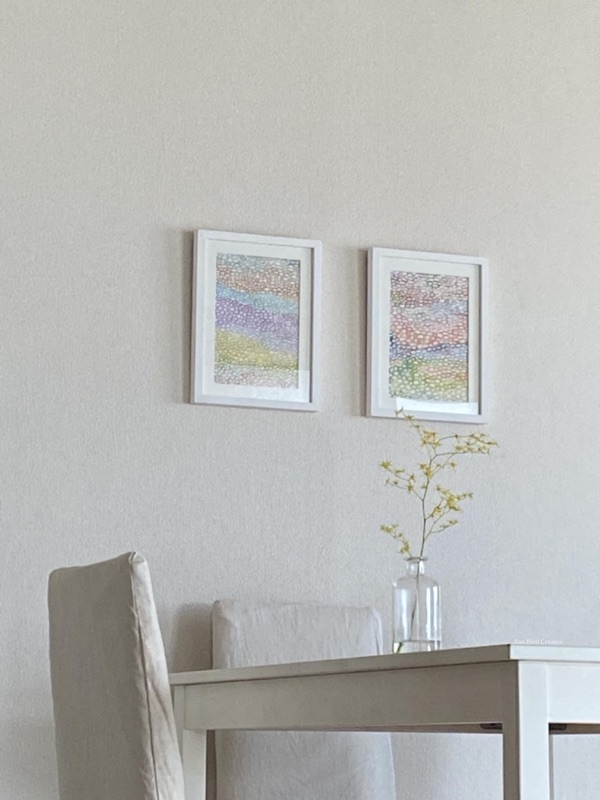
I began these mindful drawings in a fragile, unsettled state of mind. My thoughts felt scattered, restless, overlapping, too many at once. So I picked up colours and let them move without planning, without forcing sense or structure. I didn’t try to control the flow; I let the flow carry me. As the colours settled, so did parts of me.
While doing this, a thought stayed with me: Is this even anything? Later, that thought came back through others. Some asked, “What kind of painting is this?” Some said, “It has no meaning.” Some looked longer, trying to extract logic, trying to name it, trying to make sense of it. Others simply found it beautiful.
I noticed how familiar this felt. How people always want to define, label, approve, or dismiss. How art becomes a mirror for their own need to understand or control. And I realised, this is not new. This is human nature.
But this wasn’t made for explanation. It was made for survival. For breathing. For letting my scattered thoughts land somewhere gentle
I don’t need everyone to understand it. I don’t need to defend it. People may say so many different things. They always will. And what we need to do is to continue to do what we do, quietly, honestly, and with care! That’s enough!
And somehow, in the midst of all this, these paintings reside in a foreign land, resting there with a grace that still surprises me!
When people ask, with curiosity, what I do all day, I usually smile and reply, ‘Nothing much.’ It is a convenient answer, simple, unprovocative, and often enough to satisfy the questioner. The conversation moves on, and so does life
But the truth is far fuller
Much of my day unfolds inside a creative bubble. It is a space where ideas are constantly forming, dissolving, and reshaping themselves. I move from one thought to another, from making to unmaking, from observing to imagining. This kind of work rarely announces itself loudly. There are no fixed hours, no visible milestones, no obvious outputs that can be easily measured or displayed
In a world that often values productivity by numbers and material outcomes, such labour can appear weightless, almost invisible. Creative work is frequently compared to financial gain, and when it does not immediately translate into income, it is easily misunderstood or undervalued. Yet the rewards it offers are profound: a sense of purpose, inner clarity, emotional resilience, and the satisfaction of creating something meaningful from within
That said, it would be dishonest to romanticise creativity as something detached from real-world needs. Financial independence matters. It matters for everyone, and artists are no exception. The ability to sustain oneself lends dignity, stability, and freedom to any form of work, creative or otherwise. Passion alone cannot replace the need for security, nor should it be expected to
Perhaps the gap lies not in the work itself, but in how we perceive it. Not all labour is loud. Not all effort leaves visible footprints. Some of the most valuable work happens in silence, slowly, patiently, and away from public validation
To say ‘nothing much’ is easier. But in reality, it is a life silently lived in attention, imagination, and continuous becoming. And that, too, is work, deep, deliberate, and very real
Toruna walks almost every day with her son. These walks are special for her, a time to breathe, notice, and listen to the stories unfolding around. Every face, every moment on the street seems to whisper something to her heart. Walking makes her more thoughtful, more aware of life’s small wonders and struggles …
One evening, on their way to the park, Toruna noticed a tiny woollen cap lying on the road. She stopped and told her son, ‘Maybe a mother was carrying her sleeping baby on her shoulder, and while walking home, the little cap slipped off without her noticing. And then when she reached home and saw it missing, she must have felt sad, that cute little cap of her dear child is lost!’ Her son smiled and said, ‘You’re such a storyteller, Mom.’
They both laughed and kept walking.
But Toruna’s eyes continued to wander, always finding small stories hidden in everyday life …
Near the park gate, she saw twin toddlers quarreling over lollipops, their mother watching with an amused smile. One of the twins looked a bit grumpier, & Toruna observed the mother gently scolding and laughing at the same time ….
A few steps ahead, a woman in niqab (a veil on her face) walked alone on the footpath. She seemed quiet, almost wrapped in her own thoughts. Perhaps she was returning from a long day at work, thinking about bills, groceries, and what to cook for dinner. Her steps were slow, her shoulders slightly bent, as if she was carrying more than just the weight of her bag. There was a sadness about her, the kind that comes when life feels heavy but must still move on. Watching her, Toruna remembered that she would be going for Umrah soon, and wondered if she might wear a niqab then too. The thought lingered as she walked on …
Near the park bench, Toruna saw a dead butterfly, its wings still beautiful, though still. She picked it up gently and showed it to her son who looked at it with curiosity, helped her to put it on the height of the side wall!
As they were walking, Toruna observed that two elderly men walked slowly side by side, leaning on their canes and talking as if the world belonged to only them. Their laughter carried softly in the air. Toruna thought about how friendship, even in old age, keeps the heart alive, how sharing stories can make time feel lighter … she wondered what might be the topics of their laughter!
Then, not far from them, a young girl crouched near the edge of the grass, feeding milk and biscuits to a few stray cats. The cats purred and brushed against her legs. Her sweet smile warmed Toruna’s heart, a small act of kindness in a noisy world …
A little further ahead, a young mother struggled with her two small children, one crying, the other running away. Toruna smiled at this sight of this young mother, remembering her own early days of motherhood. How young she had been, and ever since then, how her children had become her entire universe …
She and her son walked side by side, sometimes talking, sometimes silent. These walks had become their little ritual, good for both their minds and hearts …
That evening, they noticed a young boy walking slowly around the park. He looked a bit overweight and tired. Toruna said, ‘I’ve been watching that boy for a while.’ Her son nodded, ‘Yes, he comes here often. I’ve seen him too.’ Toruna felt a sadness for him. ‘I hope he feels better soon,” she said, ‘Life gives everyone some struggle that other people can never understand’ ….
As the sun began to fade, they left the park, stopping by the nearby general store to buy a few things before heading home. Toruna smiled to herself, ‘Tomorrow we’ll come again,” she thought, and surely, the path would have more stories waiting to be found …
#roksanatales
.
.
Have you ever wondered, how many stories pass by us each day, unnoticed?
She no longer fears missing out, for she has learned that what’s meant for her will never pass her by. While the world rushes to chase trends, gatherings, and noise, she finds peace in her own rhythm. Her joy isn’t borrowed from what others are doing, but born from the satisfaction of being present where she is …
She doesn’t measure her life against anyone’s timeline. She knows that every soul blooms in its own season. She would rather miss a hundred fleeting moments than lose the one that truly belongs to her …
For her, the real richness lies not in being everywhere, but in being whole, right where she stands …
#roksanatales
.
.
.
When was the last time you felt at peace simply by being where you are?
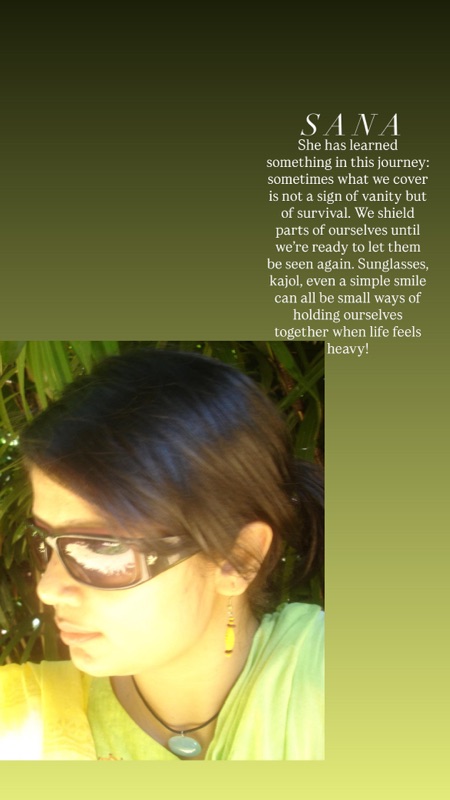
As a teenager, she would watch her sisters tilt their faces toward the light, their lashes casting long shadows over eyes that shimmered with beauty. When she looked in the mirror, her own eyes seemed smaller, plainer, framed by short lashes. It stung her heart a little, like a tiny splinter she couldn’t quite pull out …
Over time, she began to reclaim them. She traced deep kajol along her lids, soft & dark, like ink drawing a doorway. Her eyes lookd wider, more alive. People began to say she looked striking, and for the first time, her eyes felt truly hers …
Then life changed. Grief came quietly, like water filling a low space. In her reflection, she noticed it, the sparkle that once danced in her eyes had turned gentler, dimmer, like smoke fading after a flame. Her eyes began to carry stories of long nights and silent endurance. She didn’t always want others to read them …
So she reached for her sunglasses. The cool plastic rested against her temples, the tinted lenses washed the world in sepia. It felt like drawing a curtain over a window. Behind them, she had privacy. No one could see the sadness flicker and ask, “Are you okay?” …
She’s learned something through this little ritual, and that is, sometimes covering up isn’t vanity; it’s survival. The layers we wear, sunglasses, kajol, even a careful smile, are small stitches tht hold us togther until we’re ready to heal …
Sometimes, she still wonders: what would it feel like to step into the light barefaced, to let her eyes tell their truth, and to trust the world not to look away?
#roksanatales
Her eyes carry stories the world is not yet ready to read
There was a small village at the foot of a mountain. The village was called Shantipur. In that village lived a little girl named Turona. Every day, Turona would gaze at the big mountain from afar. In the morning, the mountain sparkled in golden sunlight, and by evening, it glowed in a soft reddish hue …
One day, Turona decided she would climb to the top of that mountain. Everyone said, ‘It’s too high, you won’t be able to.’ But Turona smiled and replied, ‘How will I know if I don’t try?’ …
The next morning, she set off with a bottle of water, some fruit, and a notebook. On the way, she grew tired, her feet ached on the stones, yet she didn’t stop. Sometimes she sat down to rest, listening to the sound of the wind and watching the birds fly …
Finally, after noon, she reached the top of the mountain. Looking down, she saw how beautiful her little village was, green fields, tiny houses, and a silver river flowing gently through it …
In her notebook, Turona wrote, ‘The joy of reaching the highest place only comes when you refuse to give up.’ …
Then she closed her eyes and took a deep breath. The air smelled of freedom, and inside her heart, there was peace …
She realized that the real mountain wasn’t outside, but within her. And that day, she had conquered both …
#roksanatales
How we used to write short stories when we were young! I remember how every night I’d make up stories to tell my little sisters before they fell asleep. I used to jot down bits of them in my notebook too. Often, I’d go up to our rooftop with that notebook, gazing at the distant sky until my thoughts drifted away. I wanted to write, and sometimes, I did. Other times, I simply got lost in my own imagination!
I’m sure it happened with you too!
Anyways, now tell me, What is the ‘mountain’ in your own life that you’ve been afraid to climb? Or tell me, When was the last time you tried something even though others doubted you?
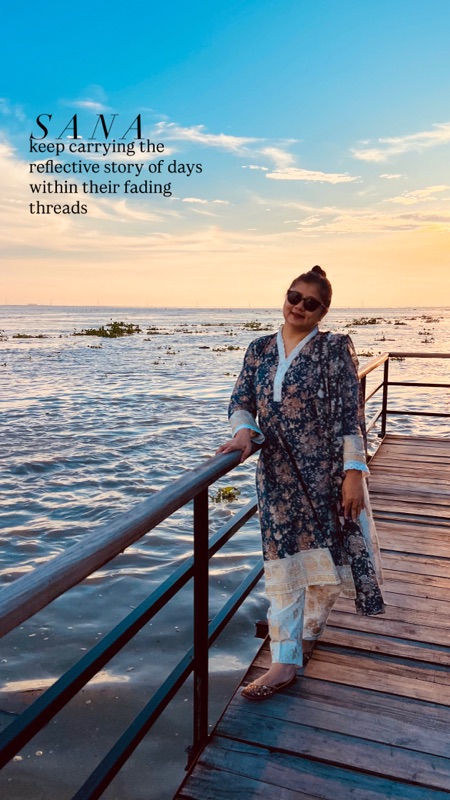
For the past two months, I’ve been wearing just two simple kameez sets, paired with the same sandals and one trusty bag, wherever I go. Except for a few occasions, this has been my beautiful routine. The colours of the dresses have softened with time, and the sandals even needed a small repair once. Yet somehow, that has only made them feel more alive, more mine, as if they carry the reflective story of my days within their fading threads …
This small choice has brought a surprising calm into my life. I no longer stand before my wardrobe wondering what to wear or how to appear. There’s less noise in my mind, fewer decisions to make. Simplicity has become a rhythm of peace, an invitation to slow down and live with intention. Life, I’ve found, feels calmer when there is less clutter …
In this space of simplicity, I began noticing how much I already have, how many clothes once sat untouched, how often I’ve taken the luxury of choice for granted. Wearing the same things again and again opened a subtle sense of gratitude. I realised how privileged I’ve been: to have more than I need, to be able to choose …
That realisation inspired another small but meaningful shift. Whenever I felt the urge to buy something new, I started setting a portion of that amount aside, for charity, or for something genuinely important. What once might have gone toward another purchase now flows toward purpose. Each act of restraint has become an act of giving. Truly, fulfilment lies not in acquisition, but in redirection …
These small choices have grounded me deeply. They’ve taught me that contentment doesn’t come from adding more, but from cherishing what already exists and letting it serve its purpose fully. Even as the fabric fades and the edges of my sandals wear thin, I certainly know a richness that has nothing to do with possessions …
It has now been over a year since I last bought clothes for myself. And yet, this restraint feels like abundance. There’s something profoundly beautiful about learning to want less, about realising that simplicity itself can be a beautiful form of luxury, one that dresses the spirit far more gracefully than anything we could ever wear …
#roksanatales
.
.
What might shift in your life if you began to embrace a little less, and notice a little more?
Little treasures rest Whispers of time in my hand Treasures never fade …
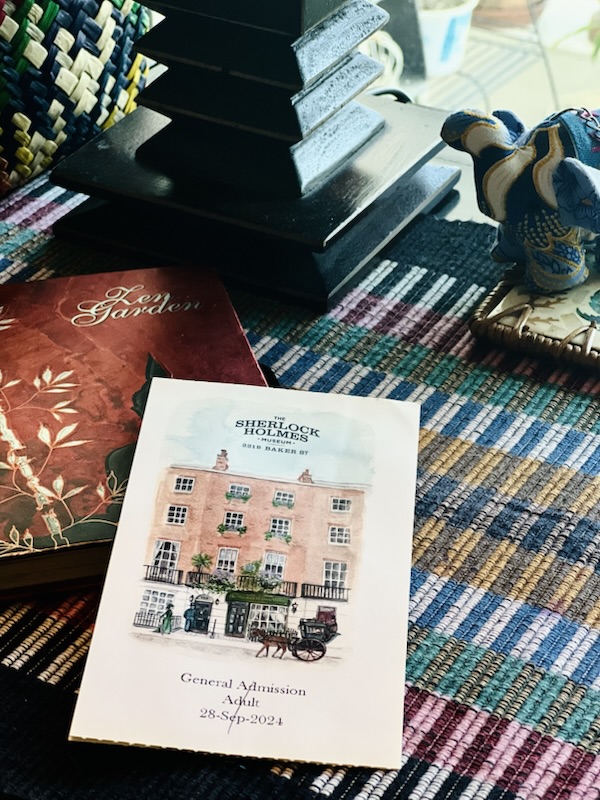
An entry ticket to the Sherlock Holmes Museum on Baker Street with my little sister in London. It was a bright and sunny day, and we had such a wonderful experience exploring the museum. Walking through the rooms, seeing the famous detective’s study, and imagining the stories felt magical. This little ticket is now a cherished memory of laughter, curiosity, and a special day spent together …
Life’s simple joys are all around; they only need your attention and appreciation to become cherished memories …